
Women’s yoga for PTSD  

Coming home to yourself.

A supportive, clinically grounded small-group programme for women living with PTSD.

Designed to complement trauma therapy, the Women’s yoga for PTSD programme draws on trauma-informed integral yoga practices and established research to support emotional regulation, resilience, and recovery.

It offers practical tools to help participants navigate PTSD symptoms while strengthening body awareness, self-trust, and a greater sense of integration within a compassionate, non-judgemental space.

Born from a collaborative local partnership, this initiative brings together Creating Balance, Anahata Yoga Health and Education Trust, Te Whare Mahana Trust - Community Mental Health Service, and Golden Bay’s dedicated therapists.

Supported by grants from the Lottery Grants Board, Rata Foundation, Golden Bay Community Trust, and private donors, the programme has remained free of charge for participants since its inception.

Running annually under clinical supervision, it is open to Golden Bay women with a PTSD diagnosis, referred by their therapist.
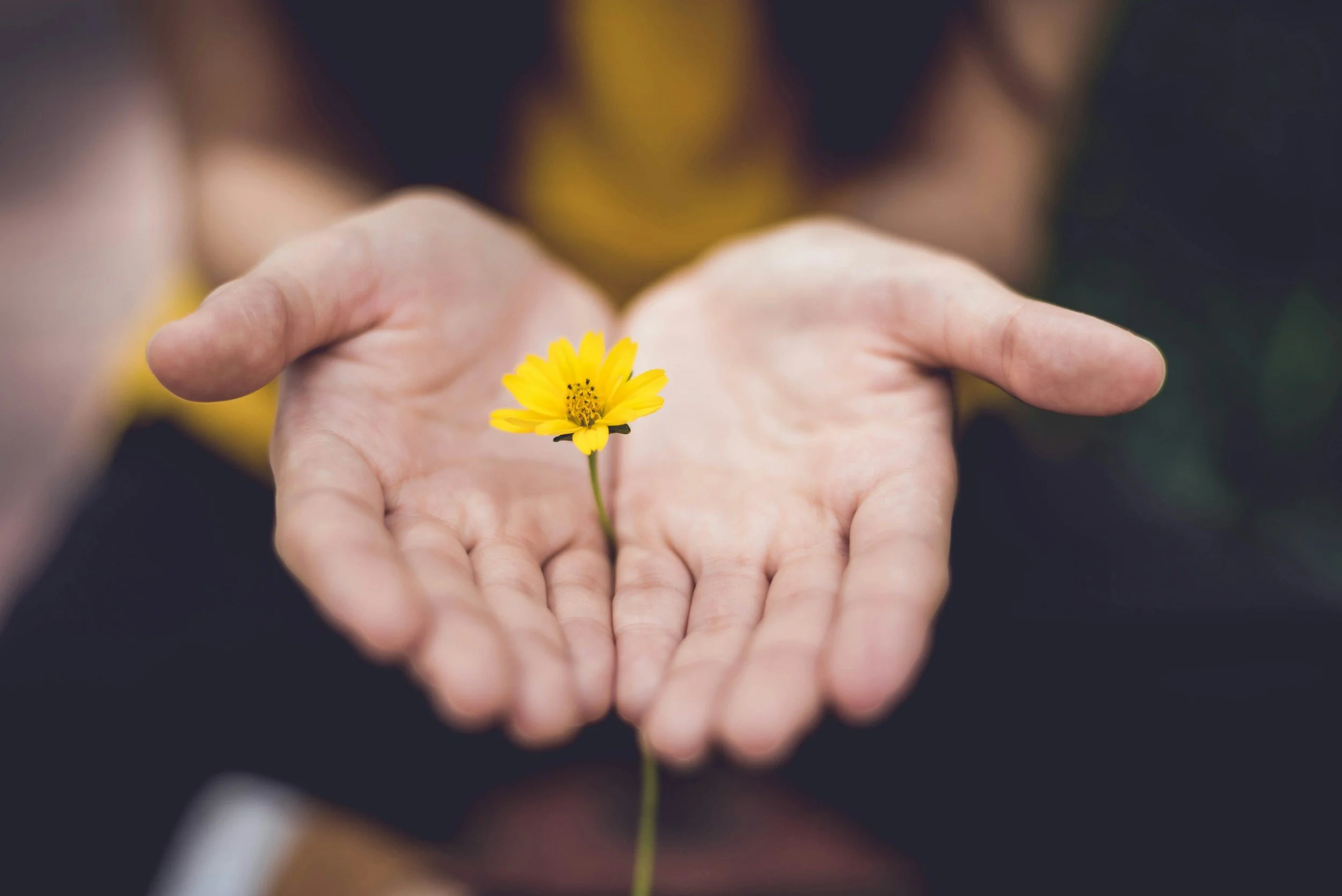
Cultivating connection, trust, and an embodied sense of wholeness.

What this programme supports:

  • Weekly 2-hour sessions unfold within a consistent small-group environment where safety and belonging can gradually deepen.

    Together, we explore mindful movement, breath, relaxation, and meditation practices that support widening your window of tolerance, strengthening healthy boundaries, and nurturing a caring relationship with yourself and others.

  • Facilitation is trauma-informed, client-led, and adaptive, honouring each woman’s pace and capacity within the collective space. You’re always free to modify practices in alignment with your physical, emotional, and mental state.

    Small, steady steps build strength, clarity, and grounded confidence over time.

    • Deepen connection with your felt sense in a non-judgemental way

    • Support nervous system regulation and inner safety

    • Strengthen interoceptive, exteroceptive, and proprioceptive awareness

    • Practise boundary-setting and self-care in daily life

    • Recognise physical, emotional, and mental states and needs

    • Use movement, breath, Yoga Nidra, mantra, and meditation as regulation tools

    • Manage stress and anxiety staying anchored in the present

    • Understand the physiology of trauma through an accessible scientific lens

    • Nurture wellness through mindful daily choices

    • Awaken a growing sense of coming home to yourself

If this programme feels like it might be relevant for someone you assist, please reach out. Referrals and enquiries are welcomed from therapists and health professionals.

  • “I have noticed an increase in awareness of my breathing and patterns of movement since consistently attending the women’s yoga group. My reactivity has decreased in stressful situations and I am more aware of needing to regulate throughout the day. The combination of somatic therapy, meditation, and yoga practice have become two grounding activities in my week. The improvement in my life has been so rewarding and noticeable. I have more strategies and healthy coping mechanisms in my tool box which allows me to feel more ease and flexibility in my thinking and relating to others and the world around me. I am so grateful.”

    — M.M.

  • “Priya’s classes are the highlight of my week. I look forward to our safe, small group space. A chance to slow down together. I don’t need to hold it together, I just need to turn up. My nervous system always feels more regulated and steady after class. I have been finding it easier to turn to these practices at home when something comes up. I feel so much gentler and compassionate with myself. I’m putting healthier boundaries in place with myself and others. Priya is an amazing teacher who adapts to the group’s needs with ease and grace. Her calm and grounded personality brings so much presence to the class and I’m so grateful for her wisdom, teachings, and humaneness.”

    — K.H.

  • “We observed participants were able to incorporate the skills learnt into their daily lives, indicating an enhanced capacity of self-management and resilience. They displayed a reorientation to focusing on their wellness, describing hope and optimism for their recovery, and are seeking to continue to learn and participate in their own development and journey to wellbeing. This programme is unique due to its depth of therapeutic sensitivity and integration with current mental health service providers.”

    — Campbell Tonks, Clinical Nurse Manager

    Te Whare Mahana Community Mental Health Service

  • “I was delighted to have some clients participate in Priyadhara’s trauma sensitive yoga classes. Through competent and gentle guidance, it was made possible for these women to begin the journey back into their bodies, to connect with themselves safely on a sensory-motor level—to feel and to move; a prerequisite for recovering from any trauma. I have observed in the clients I work with a significant shift in their capacity to ‘show up in their bodies’ during our work together. This, in turn, has meant they have been able to utilise their treatment quicker and more fully, which has resulted in a greater sense of wellbeing."

    — Nicola Kim Finlayson, Psychotherapist

With gratitude for our sponsors who make this programme possible:
Logo for Anahata Yoga Retreat in New Zealand, affiliated with Charitable Health & Education Trust, featuring a stylized person meditating with a halo and glow, against an orange gradient background.
Logo for a lottery grants board with colorful letters spelling 'LOTTO' and additional text indicating funds for community support.
Colorful logo of Rota Foundation featuring abstract human figures in orange, blue, green, and pink, with the foundation's name in bold dark blue text.
Logo of Golden Bay Community Trust with stylized cloud design in red, blue, and gray
Logo of Te Whare Marama Trust with an orange and blue swirl icon and the organization's name.