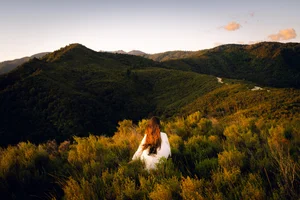
Nature is a continuum—and so are we
Before wellbeing became a concept, before psychology and spirituality had names, humans lived in direct relationship with the natural world. Our nervous systems, senses, and ways of making meaning evolved through land, weather, risk, rhythm, loss, rest, and beauty.
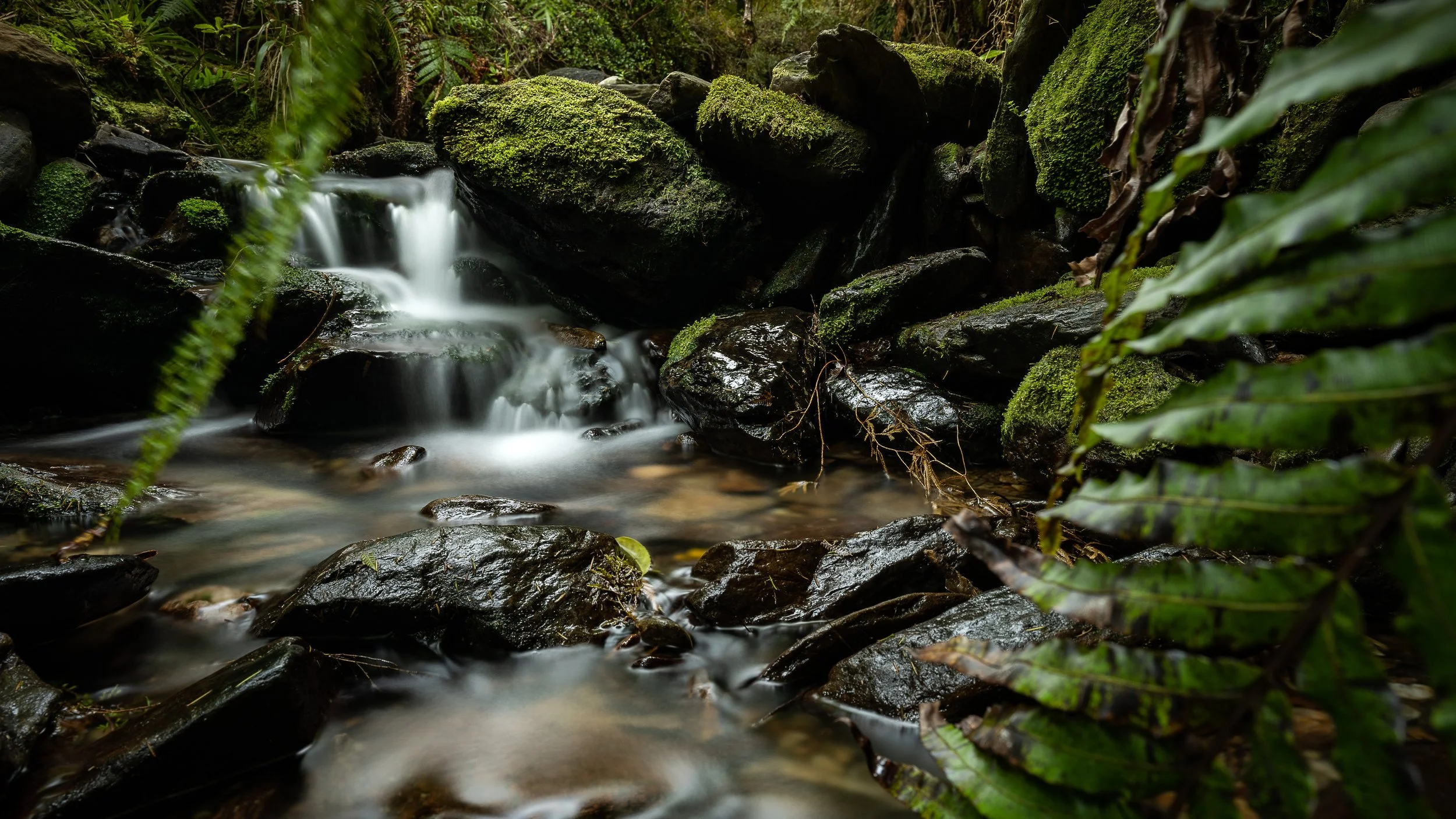
Modern life has altered that relationship. Many of us now spend most of our days indoors, moving between screens, deadlines and constant stimulation. When we feel scattered, depleted or disconnected, it’s often because we have simply become less connected to the living systems that shaped us over hundreds of thousands of years.
Time in nature is often described as restorative, yet perhaps it does something even more fundamental. It reminds us that we are, essentially, expressions of life. For both Atma and me, this recognition did not arise as an abstract idea. It emerged gradually through years of direct experience in the natural world.
I travelled with my parents from the age of one, living in many countries and cultures, but one of my most formative immersions in nature began when we lived in French Guiana. It was wild. We kayaked along still, dark rivers, alert to snakes and unseen movement at the water's edge. We mountain-biked through dense jungle, covered in mud, mosquitoes pushing us to the limits of what felt tolerable, and swam in waters where sharks were simply part of the ecosystem, not a story designed to frighten.
There was risk, certainly, but there was also vitality, confidence and a deep trust in life itself.
A few years later, at fifteen, I walked the Inca Trail with my mum. One night, high in the Andes, we camped nearby ancient ruins. I remember looking up and seeing the Milky Way stretching across the sky in a way I had never imagined possible. At that altitude, the myriad stars felt so close it seemed almost possible to reach out and touch them.
That moment remains vivid decades later. It filled me with awe and a quiet reverence for existence itself. I didn't have language for the experience then, but I recognised that it mattered for me. Experiences like these leave an enduring imprint. They shape the way we see ourselves and our place in the world.
On the other side of the world, Atma's relationship with nature began much earlier and closer to home. He grew up on his family's farm, surrounded by open paddocks, cattle, sheep and the daily rhythms of caring for animals. As a young man, he immersed himself in mountaineering, spending nights beneath the stars, building snow shelters and learning how to move safely through wild places. Later he trained in search and rescue, guided white-water rafting expeditions in Austria, and, on several occasions, risked his own life rescuing others when rivers became dangerous.
However, he never feared nature. He learned to respect it.
When he returned to Aotearoa New Zealand, he spent many years sharing this knowledge with young people, helping them develop confidence, resilience and trust in themselves through direct experience in the outdoors. Nature became both classroom and teacher.
Later journeys through the Amazon and the high plains of Bolivia and Peru deepened my own relationship with the natural world in a different way. The Amazon is not designed for human comfort. It is vast, unpredictable and intensely alive. The environment demands continual awareness—of sound, movement, weather, intuition and timing. Presence is woven into everyday survival.
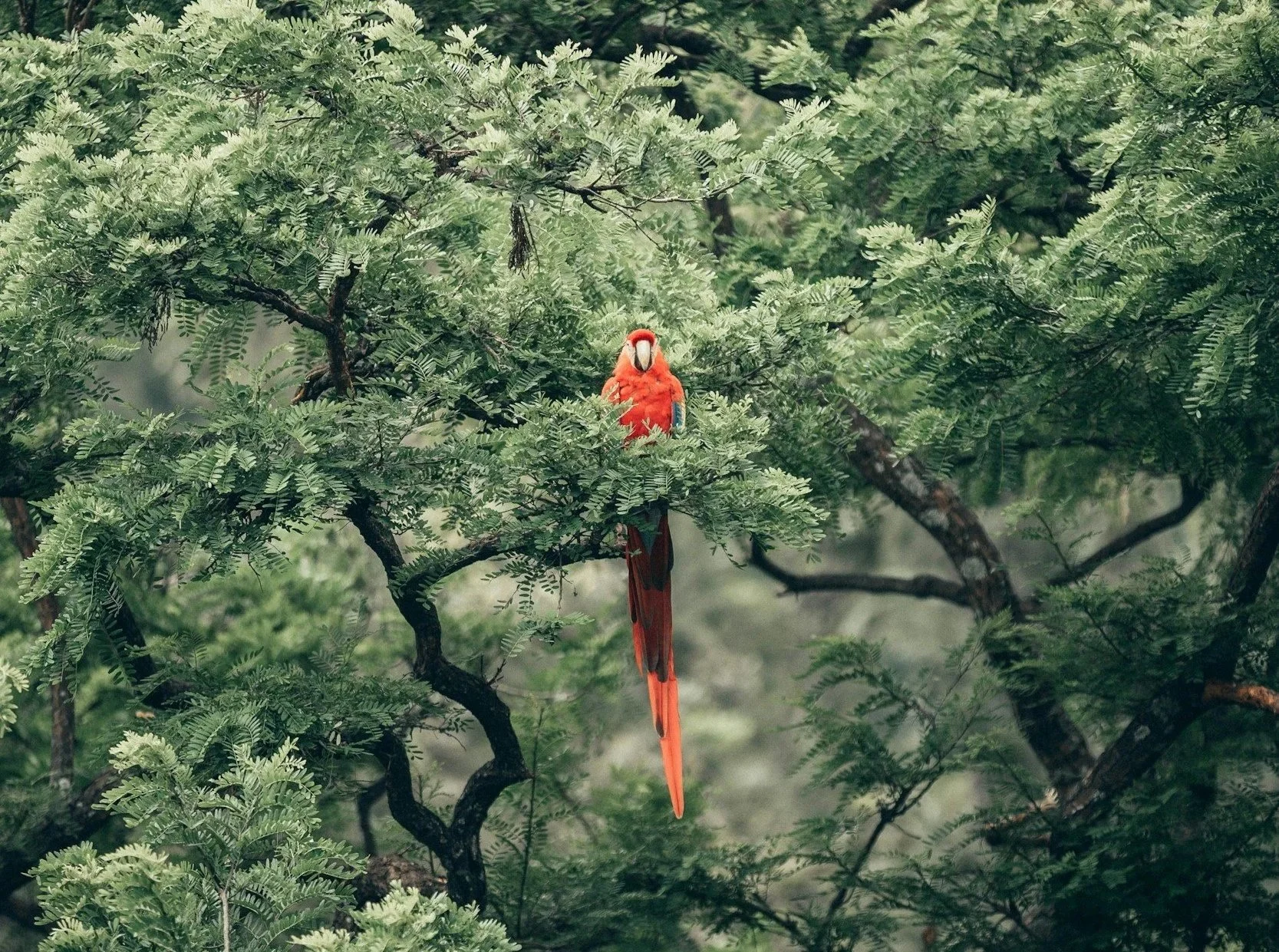
Across different landscapes and stages of life, nature stirred similar questions in both of us long before we could articulate them clearly. What is this reality we find ourselves living in? What remains true beneath our stories, identities and beliefs? How do we live in relationship with something so vast, dynamic and continually changing?
Those questions eventually led us towards yoga—not as a belief system, but as a discipline of direct experience. Yoga offered a framework through which body, breath, attention, relationships, values, natural environments, and inner life could gradually become more integrated. In many ways, it gave language to what nature had already begun teaching.
Over time, the questions themselves softened. Not because they were answered intellectually, but because it became increasingly clear that life is not a problem to solve. It is a relationship to participate in.
Nature reveals this with remarkable clarity. Seasons change. Forests regenerate after fire. Rivers alter their course. New life emerges as other forms return to the earth. Beauty and difficulty exist within the same living system. Nothing remains exactly as it is, yet nothing exists independently of everything else.
Perhaps this is one reason time in nature touches us so deeply. Human physiology evolved in continuous relationship with these environments. The rhythms of daylight and darkness, changing seasons, flowing water, birdsong and diverse natural landscapes have shaped human development for countless generations.
Research increasingly reflects this. Time spent in natural environments is associated with reduced stress, improved mood, better sleep and clearer thinking. Studies have linked nature exposure with lower cortisol levels, improved emotional regulation and benefits for cardiovascular and immune health. Psychology also suggests that natural environments restore our capacity for attention through what researchers call soft fascination—the effortless way our senses are drawn towards movement, sound, light and natural patterns without becoming mentally overloaded.
These findings are compelling, yet they seem to point towards an even more fundamental truth.
Nature restores a sense of belonging.
It reminds us that we are participants in life rather than observers standing outside it. The boundary between ourselves and the wider living world begins to soften as we recognise that every breath, every meal and every moment depends upon relationships extending far beyond ourselves.
That recognition also changes how we care for the world around us. Research consistently shows that people who feel more connected with nature are more likely to protect it, supporting biodiversity, reducing waste and acting with a greater sense of stewardship. Healthier ecosystems support healthier people, and people who experience a deeper sense of connection are often more inclined to care for the ecosystems that sustain them.
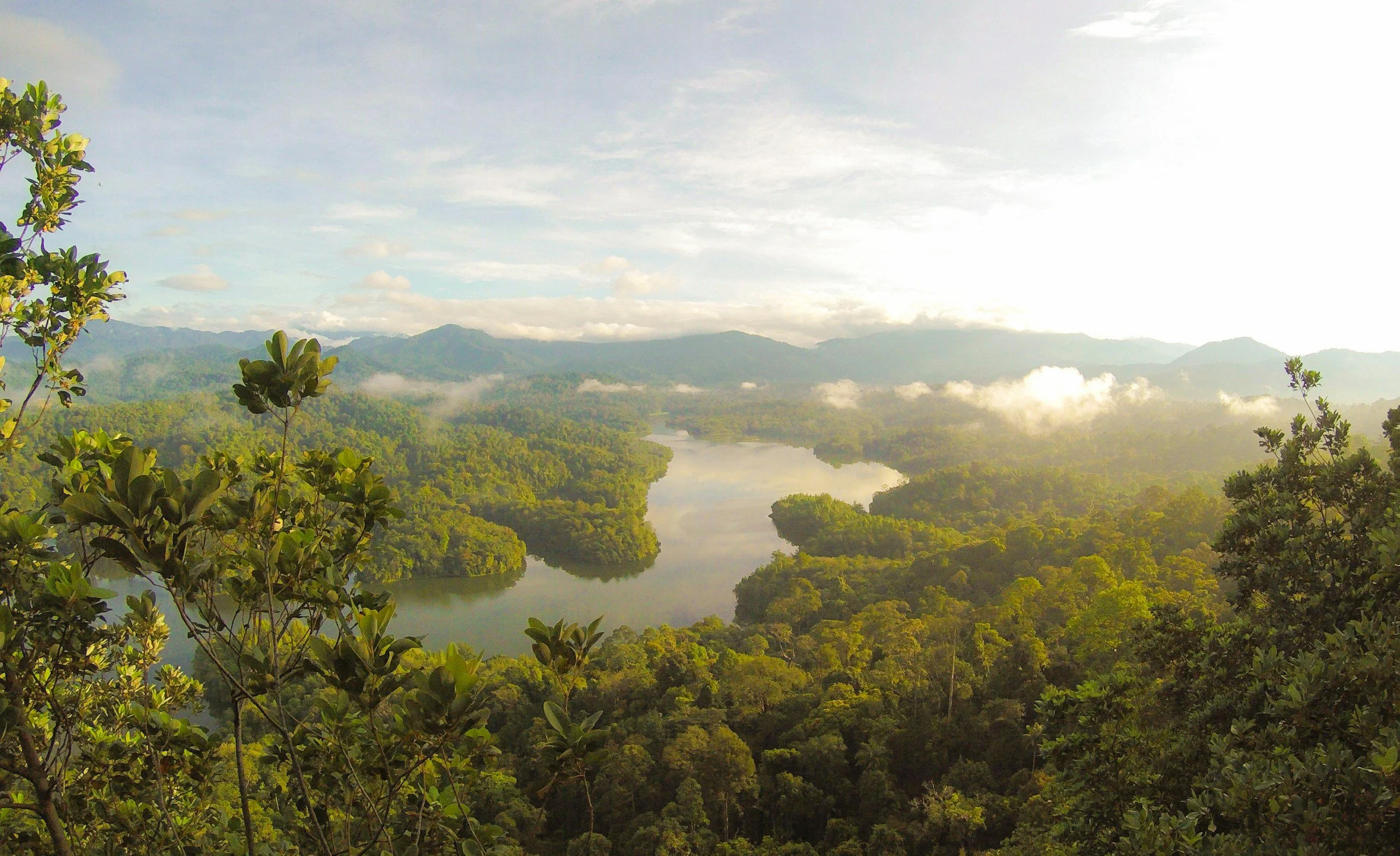
Nature is far more than the green spaces we visit on weekends. It is the extraordinary web of relationships through which life continually unfolds—from microorganisms enriching the soil to forests regulating climate, rivers shaping landscapes and stars forging the elements from which our own bodies are made.
We do not exist outside this unfolding. Nature’s evolution is not something happening to us. It is life unfolding as us—through finite forms, in an unfinished universe.
Perhaps this is why nature continues to call so many of us back. Not because it offers an escape from modern life, but because it reminds us of a relationship that has always been present.
When did you last pause long enough to recognise that the same living processes shaping the forests, rivers and the mountains are also shaping you?
Nature is not asking us to become someone different. It reminds us of what has always been true.
Nature is a continuum.
And so are we.
With warmth,
Priyadhara